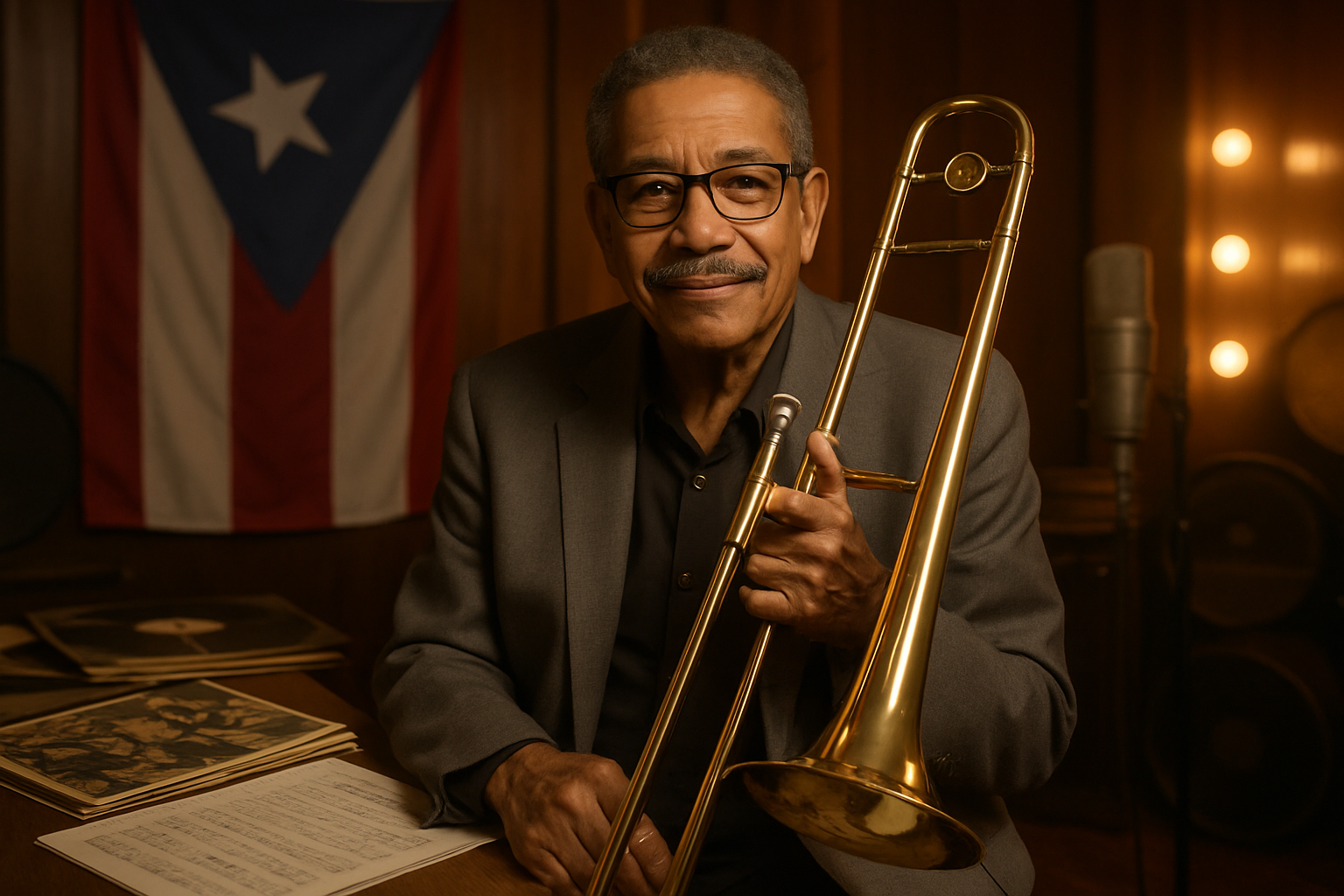
Willie Colón, the legendary salsa trombonist, composer, and producer known as "El Malo del Bronx," died at age 75 at Lawrence Hospital in Bronxville, New York, marking the end of an era for Latin music and the salsa movement that captivated the world.
The artist's death was confirmed Friday afternoon through an official statement on his Facebook page, after he had been hospitalized since Friday with respiratory problems. Colón's passing represents the loss of one of salsa's most influential figures, whose innovative sound and revolutionary approach to Latin music helped define the genre during its golden age in the 1970s and 1980s.
A Career That Transformed Salsa
Born in the South Bronx to Puerto Rican parents, Willie Colón rose from humble beginnings to become one of the most recognizable names in Latin music. His nickname "El Malo del Bronx" (The Bad Boy from the Bronx) reflected both his tough street origins and his rebellious approach to traditional salsa music, incorporating elements that challenged conventional boundaries.
Colón's masterpiece "Idilio," among his most celebrated compositions, became an anthem that transcended cultural and linguistic barriers. The song exemplified his ability to blend traditional Latin rhythms with urban sensibilities, creating a sound that spoke to both immigrants maintaining their cultural identity and younger generations navigating life between two worlds.
Historic Partnership with Rubén Blades
The musician's most influential period came through his legendary collaboration with Panamanian singer-songwriter Rubén Blades. Together, they created some of salsa's most enduring classics and established what many consider the most important partnership in the genre's history.
"I have just confirmed what I was reluctant to believe: Willie Colón has indeed passed away. I send my deepest condolences to his wife Julia, his children, family, and loved ones. Later, when I have had time to reflect, I will write about Willie and his vital and important musical legacy."
— Rubén Blades, via social media
The Colón-Blades partnership produced revolutionary albums that elevated salsa from dance music to sophisticated social commentary. Their work addressed urban life, immigration struggles, and social justice issues, transforming the genre into a vehicle for cultural and political expression.
Musical Innovation and Legacy
As a trombonist, Colón revolutionized the instrument's role in salsa music. Traditional salsa arrangements typically featured trumpet sections, but Colón's powerful trombone became the signature sound that defined what became known as "salsa dura" (hard salsa). His arrangements were grittier, more aggressive, and more reflective of urban Latino experience than the smoother sounds that had previously dominated Latin music.
Beyond his instrumental prowess, Colón proved himself as a gifted composer and producer. He discovered and developed numerous artists, helping to shape the sound of an entire generation of salsa musicians. His production work extended the influence of his musical vision far beyond his own recordings.
Cultural Impact and Recognition
Colón's influence extended far beyond music into broader Latino cultural identity. His work provided a soundtrack for the Latino experience in urban America, particularly in New York City, where his music became synonymous with Latino pride and cultural authenticity.
In one of his final public statements, Colón had praised contemporary artists like Bad Bunny for helping to spread salsa music to new generations. This endorsement demonstrated his continued engagement with evolving Latin music and his recognition that cultural preservation required embracing new platforms and audiences.
Political Voice and Social Conscience
Throughout his career, Colón maintained strong political convictions that often influenced his music and public statements. In 2013, he publicly declared that he would not perform in Cuba while the Castro regime remained in power, reflecting his commitment to human rights and political freedom in Latin America.
This political stance exemplified how Colón viewed his platform as extending beyond entertainment. He consistently used his influence to advocate for social justice and political freedom, making him not just a musician but a cultural leader within Latino communities.
The Final Chapter
News of Colón's hospitalization had spread among the salsa community in recent days, with fans and fellow musicians expressing concern for the beloved artist's health. His death comes as the Latin music community continues to mourn other recent losses of golden-age salsa pioneers.
The timing of his passing, just as Bad Bunny and other contemporary Latino artists are achieving unprecedented mainstream success, creates a poignant connection between salsa's pioneering generation and today's global Latino music movement. Colón lived to see the fulfillment of the cultural bridge-building that his generation had begun decades earlier.
Enduring Influence
Willie Colón's death marks the end of an era, but his influence on Latin music remains immeasurable. His innovative arrangements, powerful trombone sound, and commitment to authentic Latino cultural expression established templates that continue to influence musicians today.
From the streets of the Bronx to international concert halls, Colón's music provided the soundtrack for Latino cultural pride and identity formation. His work demonstrated that Latin music could be both commercially successful and artistically sophisticated, paving the way for the global Latino music success we witness today.
As the Latin music community mourns this tremendous loss, Willie Colón's legacy lives on through the countless musicians he influenced, the cultural barriers he helped break down, and the timeless music that continues to move dancers and touch hearts across the world. El Malo del Bronx may be gone, but the revolution he started in salsa music will continue for generations to come.