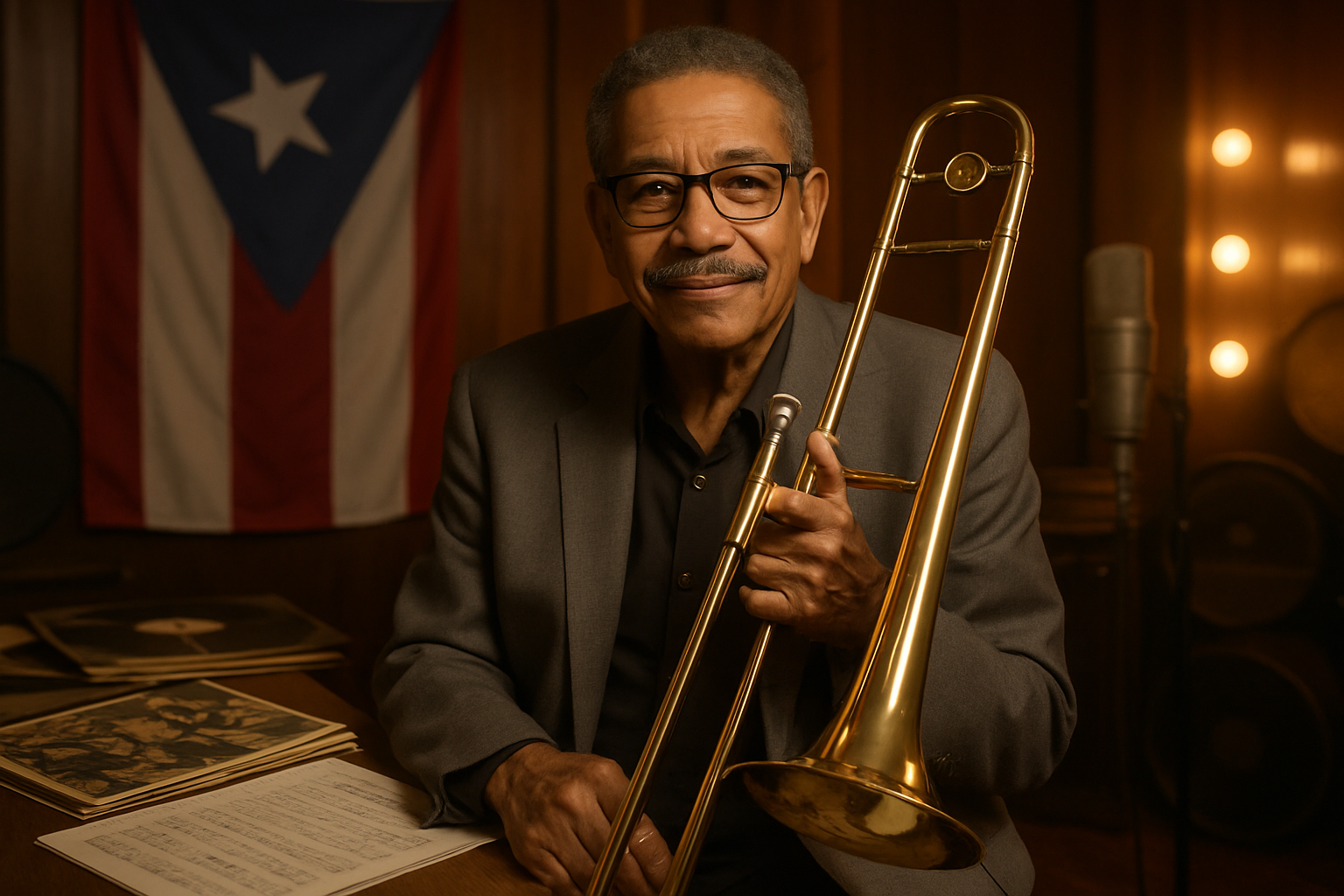
Willie Colón, the legendary Puerto Rican trombonist, composer, and producer who revolutionized salsa music and earned the nickname "El Malo del Bronx," died on February 21, 2026, at Lawrence Hospital in Bronxville, New York. He was 75 years old.
The iconic musician's death was confirmed through his official Facebook page after he had been hospitalized with respiratory problems since Friday. Colón's passing marks the end of an era for salsa's golden age, leaving behind a transformative legacy that shaped Latino cultural identity and bridged traditional Caribbean rhythms with urban New York innovation.
The Architect of Urban Salsa
Born in the Bronx to Puerto Rican parents, Colón emerged in the 1970s as one of salsa's most innovative figures, earning recognition as an architect of the "salsa dura" (hard salsa) sound that would define the genre's most influential period. His revolutionary trombone arrangements and urban sensibility transformed traditional Latin music into a powerful expression of Latino identity in New York City.
Throughout his career, Colón released more than 30 albums, earned nine Gold Records and five Platinum certifications, and sold over eight million records worldwide. His masterpiece composition "Idilio" became an iconic salsa anthem that continues to resonate with audiences across generations.
"Willie was not just a musician; he was a cultural ambassador who gave voice to the Latino experience in America through his art."
— Industry colleague, reflecting on Colón's impact
Legendary Collaborations
Colón's most celebrated partnerships defined salsa's golden era. His early collaboration with the charismatic singer Héctor Lavoe produced some of the genre's most enduring classics, establishing both artists as legends of Latin music. Later, his partnership with Rubén Blades created sophisticated compositions that elevated salsa with social commentary and poetic lyricism.
The news of Colón's death prompted an immediate response from Blades, who confirmed the passing via social media and expressed condolences to Colón's wife Julia and family. Despite a professional distance that had developed between the two artists over the past 20 years due to various misunderstandings, their musical legacy remained intact.
According to sources from multiple Latin American outlets, the relationship between Colón and Blades had cooled in recent decades, but both musicians consistently acknowledged their profound musical connection and the importance of their collaborative works to salsa history.
Cultural Bridge-Builder
Beyond his musical achievements, Colón served as a cultural bridge-builder who maintained strong political convictions throughout his career. In 2013, he made headlines by refusing to perform in Cuba under the Castro regime, demonstrating his commitment to political principles alongside his artistic integrity.
His influence extended across generations, with contemporary artists frequently citing his impact. Recently, Colón had praised reggaeton superstar Bad Bunny for introducing salsa elements to new audiences, showing his appreciation for how younger artists were spreading traditional Latin rhythms to global audiences.
International Recognition and Tours
Colón's career was marked by extensive international touring that brought salsa music to audiences worldwide. His visits to Peru were particularly memorable, with El Comercio documenting several significant performances that left lasting impressions on local audiences. From intimate venue performances to large-scale concerts, Colón's live performances were legendary for their energy and musical precision.
His connection to Mexico was also notable, where he not only performed but also contributed to the country's entertainment industry. According to El Financiero, Colón composed and performed the theme song for the late 1990s Mexican telenovela "Demasiado Corazón," describing the experience as "unforgettable." He even appeared in several episodes with a special character role, demonstrating his versatility as an entertainer.
A Lasting Musical Legacy
Portuguese publication PÚBLICO referred to Colón as "o xerife da salsa" (the sheriff of salsa), emphasizing his role as both a musical innovator and cultural guardian. As a trombonist, composer, arranger, producer, and singer, Colón wore many hats in the music industry, each contributing to his comprehensive understanding of Latin music's potential.
His work as a producer was particularly significant, as he discovered and nurtured numerous artists who would go on to have successful careers. His keen ear for talent and understanding of market dynamics helped shape the careers of multiple generations of salsa musicians.
The End of an Era
Colón's death represents the passing of one of salsa's last living pioneers from the genre's most innovative period. His transformation of traditional Caribbean rhythms into urban Latino anthems provided a soundtrack for the immigrant experience in New York and beyond.
The tributes pouring in from across Latin America reflect not only his musical achievements but also his role as a cultural ambassador who maintained authenticity while achieving mainstream success. His ability to balance commercial appeal with artistic integrity served as a template for future generations of Latino artists navigating between cultural preservation and innovation.
"Willie Colón's music was the soundtrack of our lives, the rhythm of our struggles, and the melody of our dreams."
— Fan tribute on social media
Continuing Influence
As the Latin music industry continues to evolve with artists like Bad Bunny achieving unprecedented global success, Colón's influence remains evident. His integration of social commentary with danceable rhythms established a template that contemporary artists continue to follow, proving that music can be both entertaining and meaningful.
The timing of his death during what has been documented as the "February 2026 Cultural Renaissance" – a period of unprecedented global cultural activity and Latin music's continued international breakthrough – underscores the enduring relevance of his contributions to world music.
Willie Colón's legacy lives on through his extensive discography, the artists he influenced, and the cultural bridges he built between traditional Latin music and contemporary global audiences. His revolution of salsa music transformed not just a genre, but an entire cultural expression, ensuring his place as one of Latin music's most important figures.