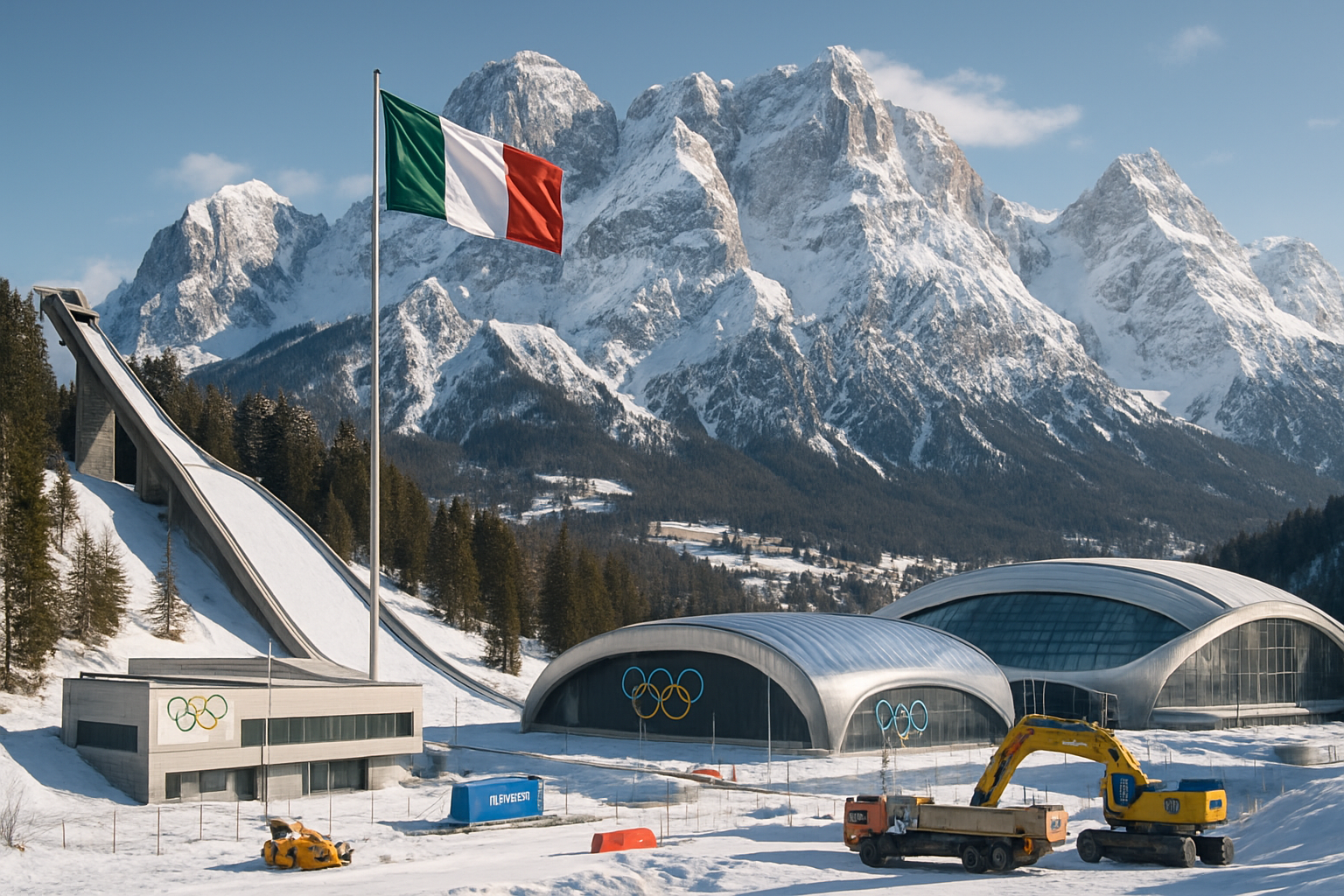
The 2026 Winter Olympics in Milan-Cortina d'Ampezzo are entering their final preparation phase, with Italy showcasing its readiness to host the Games through a combination of Alpine grandeur, logistical innovation, and cultural celebration, despite some last-minute venue challenges and emerging controversies.
The Games mark the return of the Winter Olympics to the Alps for the first time in 20 years, bringing together ice hockey, skating, skiing, and snowboarding events across Italy's spectacular northern regions. As the opening ceremony approaches, the preparations reveal both the country's ambitious vision and the complex realities of hosting a major international sporting event.
Venue Preparations: Racing Against Time
Olympic organizers have acknowledged that intense work continues on several key venues, with particular focus on the main ice hockey facility. Officials admitted on Sunday that the primary ice hockey venue still requires "frantic" work to meet competition standards, though they remain confident all scheduled matches will proceed as planned at the designated location.
The admission highlights the typical pressures faced by Olympic host cities in the final weeks before competition begins. Despite the ongoing construction and final preparations, organizers have maintained their commitment to delivering world-class facilities for athletes and spectators.
Cultural Innovation: A Multilingual Olympics First
In a groundbreaking development for Olympic history, events taking place in Italy's autonomous Alto Adige province will feature bilingual place names, marking the first time such linguistic accommodation has been implemented at an Olympic Games. The region, where over two-thirds of the local population speaks German, represents the unique cultural diversity of northern Italy.
This innovative approach reflects the Games' commitment to honoring local heritage while maintaining international accessibility. The bilingual naming convention acknowledges the historical and contemporary linguistic reality of South Tyrol, where German, Italian, and Ladin are all recognized languages.
Milan's Olympic Transformation
The city of Milan has embraced its role as co-host with visible enthusiasm and spectacular displays. Colored lights are being projected onto historic buildings throughout the city, while elaborate light installations decorate the streets, creating an atmosphere of celebration and anticipation.
The visual transformation of Milan represents more than mere decoration; it symbolizes the city's evolution from a primarily business and fashion capital to a major international sporting destination. The lighting displays have become a popular attraction for both residents and early Olympic visitors, generating excitement for the upcoming events.
Controversy and Protests
However, Milan's preparations have not been without controversy. The city has experienced protests against the presence of ICE (Immigration and Customs Enforcement) agents at the Games, reflecting broader international tensions surrounding immigration policies. These demonstrations have created a complex backdrop to what organizers hoped would be a celebration of international unity through sport.
The protests highlight how major sporting events can become flashpoints for broader political and social issues, challenging organizers to balance security concerns with the Olympic ideals of global cooperation and peaceful competition.
Athletes and Competition Challenges
The preparations have faced a significant setback with the suspension of Italian biathlete Rebecca Passler following a positive doping test. The suspension prevents the local athlete from competing in Olympic events in her home region, representing a personal tragedy and a blow to Italian hopes in biathlon competitions.
This development serves as a reminder of the ongoing challenges facing international sports regarding performance-enhancing substances. The case is particularly poignant given that Passler would have competed on familiar terrain, potentially providing a boost to Italian medal prospects.
International Anticipation
Despite the challenges, international excitement for the Games continues to build. The return of Winter Olympics competition to the Alps has generated significant interest from winter sports enthusiasts worldwide, with many eagerly anticipating the spectacular mountain backdrops that will frame the competitions.
The Milan-Cortina Games promise to showcase not only athletic excellence but also Italy's unique combination of urban sophistication and Alpine natural beauty. The dual-city hosting arrangement allows the Games to demonstrate both metropolitan energy and traditional mountain sports culture.
Looking Ahead
As the final preparations continue, Italy faces the typical challenges of any Olympic host nation: completing venues on schedule, managing logistics for thousands of athletes and officials, ensuring security while maintaining the welcoming atmosphere that defines successful Games, and addressing unexpected issues as they arise.
The success of these preparations will ultimately be measured not just in the smooth execution of competitions, but in Italy's ability to create memorable experiences for athletes and spectators while showcasing the country's rich cultural heritage and natural beauty.
With venues nearing completion, cities decorated for celebration, and international attention focused on the Alpine regions of northern Italy, the 2026 Winter Olympics are poised to deliver a unique combination of sporting excellence and Italian hospitality, despite the various challenges that have emerged in the final preparation phase.