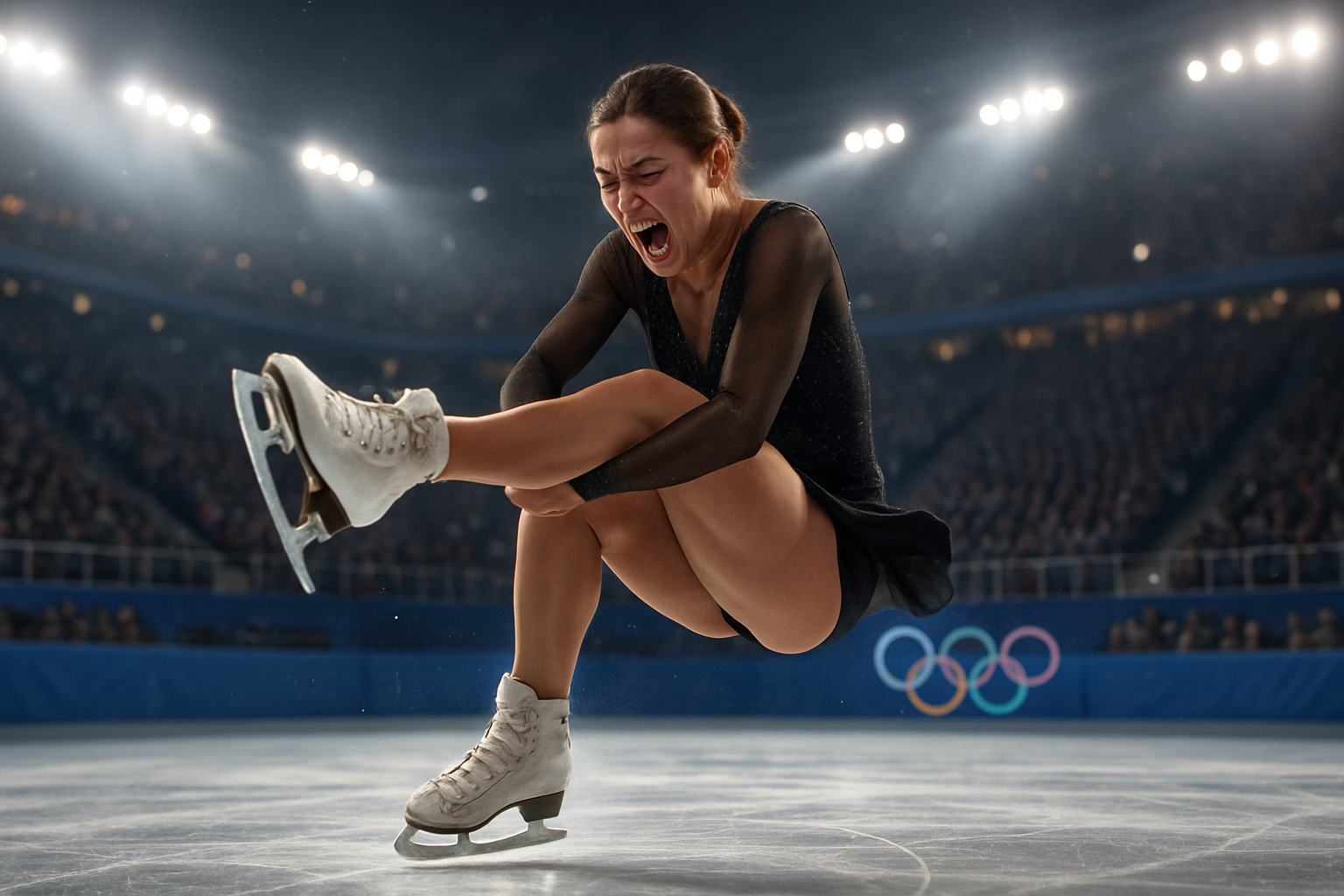
In a stunning turn of events that sent shockwaves through the figure skating world, 21-year-old Mikhail Shaidorov of Kazakhstan claimed Olympic gold in men's figure skating, while overwhelming favorite Ilia Malinin of the United States suffered a catastrophic collapse, finishing in 8th place at the Milano-Cortina 2026 Winter Olympics.
The dramatic competition on February 13-14 delivered one of the most shocking upsets in Olympic figure skating history, with Shaidorov posting a total score of 291.58 points to secure Kazakhstan's first-ever Olympic figure skating medal. The victory represents a seismic shift in the sport's power dynamics and exemplifies the unpredictable drama that defines Olympic competition.
Historic Breakthrough for Kazakhstan
Shaidorov entered the free skate program ranked 5th after the short program, making his eventual gold medal victory even more remarkable. The young skater delivered a flawless performance under immense pressure, capitalizing on the dramatic collapse of the competition's heavily favored athletes.
"This is a historic moment for Kazakhstan and for our figure skating program," said Shaidorov after his victory. The 21-year-old from Almaty became the face of his nation's winter sports breakthrough, representing the old school Russian technical tradition while competing under the Kazakh flag.
"I couldn't believe it when I saw the scores. This has been my dream since I was a child, and to achieve it on this stage is incredible."
— Mikhail Shaidorov, Olympic Champion
Malinin's Devastating Fall from Grace
The competition's most shocking storyline centered on Ilia Malinin's dramatic failure to deliver. The 17-year-old American, who had been undefeated since 2023 and dominated the sport with his quad axel mastery, suffered two devastating falls during his free skate program and accumulated multiple technical errors.
Malinin's collapse was particularly stunning given his earlier success in winning the team event gold medal at these same Games. The teenager, who had been dubbed a "show god" for his ability to generate euphoria among audiences, appeared overwhelmed by the pressure of individual competition.
Speaking after his disappointing performance, Malinin admitted the weight of expectations had affected him. "Maybe I was too confident," he said, visibly emotional. "I messed up. The pressure was enormous, and I couldn't handle it the way I needed to."
Japanese Skaters Claim Silver and Bronze
Japan's men capitalized on the chaos to claim both silver and bronze medals. Yuma Kagiyama, who had been positioned as Malinin's primary challenger, delivered when the opportunity arose, scoring 280.06 points for silver. His compatriot Shun Sato claimed bronze, giving Japan two spots on the podium.
The Japanese skaters' consistent, solid performances demonstrated the depth and reliability of their national program, contrasting sharply with the dramatic highs and lows experienced by other competitors.
Competition Highlights Global Depth
The upset results highlighted the incredible depth and unpredictability of modern men's figure skating. With traditional powerhouse Russia absent from competition, the field proved more competitive than ever, with athletes from non-traditional skating nations breaking through at the highest level.
The competition also showcased the technological innovations of Milano-Cortina 2026, featuring OMEGA's AI-powered figure skating analysis and Alibaba's Qwen AI broadcasting integration – the first Olympic deployment of LLM technology. These systems provided unprecedented real-time analysis for judges and viewers alike.
Revolutionary Olympics Setting
The figure skating competition unfolded at the Milan Ice Arena as part of the revolutionary dual-city hosting model that spans over 400 kilometers across northern Italy. This most geographically dispersed Winter Olympics in history has successfully maintained competitive excellence while demonstrating sustainable hosting practices.
The Games have featured numerous cultural innovations, including bilingual place names in the German-speaking Alto Adige/South Tyrol region and the "Gen Z" mascots Milo and Tina, creating an authentic Italian Alpine experience.
Broader Olympic Context
This stunning figure skating upset comes amid a Games that has been defined by breakthrough performances and unexpected results. Australia's emergence as a winter sports force, with Cooper Woods' moguls gold and Josie Baff's snowboard cross victory, has been matched by historic achievements from nations like Kazakhstan now making their mark on Olympic ice.
The competition has also been marked by ongoing controversies, including the exclusion of Ukrainian skeleton athlete Vladyslav Heraskevych over his memorial helmet honoring fallen Ukrainian athletes, and a quality control scandal involving Olympic medals detaching from ribbons during celebrations.
Looking Forward
For Kazakhstan, Shaidorov's victory represents a watershed moment that could inspire a new generation of figure skaters in the Central Asian nation. The breakthrough demonstrates the ongoing democratization of winter sports and the potential for athletes from non-traditional powerhouses to reach the Olympic pinnacle.
For American figure skating, Malinin's collapse represents a significant disappointment, though at just 17 years old, the teenager has multiple Olympic cycles ahead to fulfill his considerable potential. His mastery of the quad axel and previous dominance suggest this setback may ultimately serve as valuable learning experience.
The Japanese success continues their nation's strong tradition in figure skating, positioning them well for continued international success in the discipline.
Historical Significance
Shaidorov's victory will be remembered as one of the defining moments of Milano-Cortina 2026, exemplifying the unpredictable nature of Olympic competition where favorites don't always deliver under ultimate pressure. The result reshapes the competitive landscape of men's figure skating and provides inspiration for emerging skating nations worldwide.
As the Milano-Cortina 2026 Winter Olympics continue through February 22, this figure skating upset serves as a powerful reminder that in Olympic competition, anything is possible. The Games have already established new paradigms for sustainable hosting while maintaining the dramatic sporting excellence that captures global imagination.
With competition continuing across 16 sports and 116 medal events, the revolutionary dual-city format has proven that geographic distribution and environmental responsibility can coexist with the highest levels of athletic achievement and international cooperation that define the Olympic movement.