The Milano Cortina 2026 Winter Olympics are witnessing intense competition as international teams demonstrate their months of preparation, with early results showcasing both breakthrough victories and the ongoing rivalry that defines Olympic sport.
With competition now underway across seven venues spanning over 400 kilometers from Milan to Cortina d'Ampezzo, athletes from around the globe are putting their extensive training to the test in what has been described as the most geographically dispersed Winter Olympics in history.
Early Competition Highlights
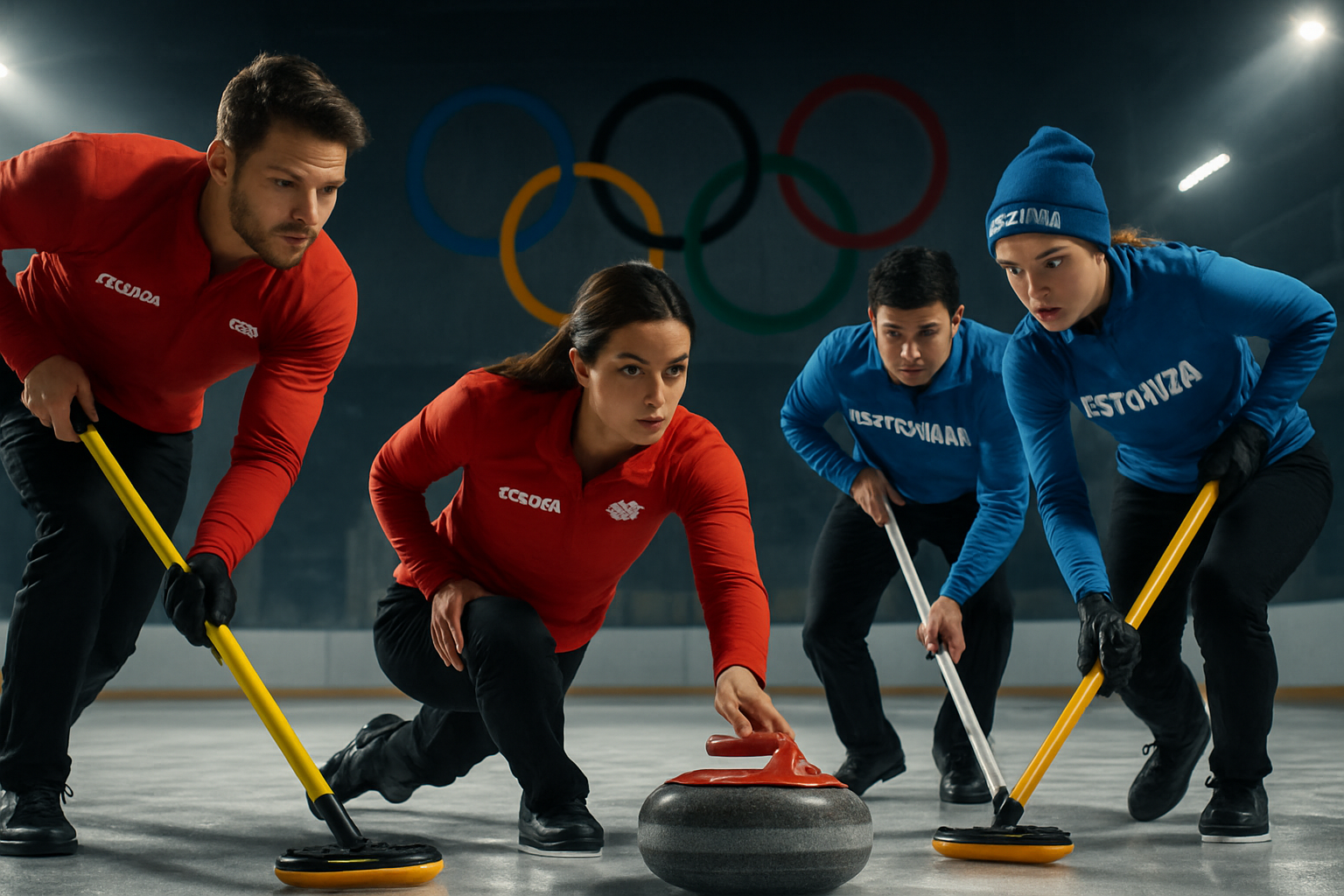
Estonia's mixed doubles curling duo Marie Kaldvee and Harri Lill delivered a statement performance, securing their first victory at the Milano Cortina Games by defeating Sweden 7-5. The win was particularly sweet for the Estonian pair, as it avenged a loss from two years prior, demonstrating the long-term preparation and mental resilience that Olympic competition demands.
"This victory means everything to us," the Estonian team said following their triumph. "We've been working toward this moment, and to beat a strong Swedish team shows that our preparation has paid off."
Meanwhile, the traditional Canada-USA rivalry has extended to the curling rink, with Team USA, supported by celebrity ambassador Snoop Dogg, striking first against Canada in the mixed doubles showdown. The match highlighted the cultural significance of Olympic competition beyond pure athletics, as entertainment figures and national pride converge on the ice.
National Preparations and Medal Expectations
Austria has been conducting comprehensive analysis of their medal prospects across multiple disciplines for the Milano Cortina Games. The Alpine nation, with its strong winter sports tradition, has been evaluating where their greatest Olympic medal chances lie, drawing on decades of experience in disciplines ranging from alpine skiing to biathlon.
The Austrian delegation's strategic approach reflects the meticulous preparation that characterizes successful Olympic programs. Team officials have been analyzing competitor form, weather conditions, and venue characteristics to maximize their athletes' chances of success.
"Every detail matters at the Olympic level. We've spent months analyzing not just our athletes' performance, but understanding how conditions here in Italy will affect competition outcomes."
— Austrian Olympic Team Official
Azerbaijan has confirmed their participation in the opening ceremony parade of nations, with the delegation's position officially assigned for the February 6 ceremony at San Siro stadium. The country's flag bearers have been announced, representing Azerbaijan's growing commitment to winter sports development despite their traditional focus on summer disciplines.
Infrastructure Challenges and Adaptations
The competition has not been without its challenges, reflecting the complex logistics of hosting the most geographically dispersed Winter Olympics in history. Power outages disrupted early curling competitions at the Cortina venue, creating difficult conditions for athletes who had spent months preparing for precise playing conditions.
These infrastructure challenges have tested the adaptability of both organizers and competitors. The Estonian curling team's victory came despite these disruptions, showcasing the mental toughness that separates Olympic athletes from other competitors.
The Broader Olympic Context
The current competition takes place within the context of remarkable Olympic innovation. These Games feature the first-ever integration of artificial intelligence technology, with Alibaba Cloud's Qwen AI system providing enhanced broadcasting and spectator experiences. This technological advancement represents how Olympic preparation now extends beyond pure athletic training to embrace cutting-edge innovations.
The Games are also notable for their sustainability focus, with dual-city hosting designed to minimize environmental impact while maximizing existing venue utilization. This approach has required athletes and teams to adapt their preparation strategies to account for competing across multiple locations rather than a centralized Olympic park.
Cultural and Diplomatic Dimensions
The Milano Cortina Games have highlighted how Olympic preparation extends beyond athletics to encompass cultural diplomacy. The implementation of bilingual place names in the Alto Adige/South Tyrol region, where two-thirds of the population speaks German, demonstrates how host nations use Olympics to showcase their cultural diversity and inclusion.
These cultural innovations, combined with the introduction of Milo and Tina as "Gen Z" mascots, reflect how Olympic preparation must now account for engaging younger, globally connected audiences while respecting traditional Olympic values.
Looking Ahead
As competition continues through February 22, the early results from teams like Estonia's curling duo and the intensity of North American rivalry suggest that months of preparation are translating into compelling competition. The challenges faced with infrastructure and the innovative solutions being employed demonstrate how modern Olympic preparation must account for unprecedented complexity.
The success stories emerging from these early days of competition validate the extensive preparation undertaken by national Olympic committees worldwide. From Austria's analytical approach to medal prospects, to Estonia's focused preparation for specific matchups, to Azerbaijan's ceremonial preparations, these Games are showcasing how Olympic preparation has evolved into a year-round, multidisciplinary endeavor.
With 3,000 athletes from 92 countries competing across 16 sports, the Milano Cortina Games represent the culmination of the most comprehensive Olympic preparation in Winter Games history, set against the backdrop of the most logistically complex hosting arrangement ever attempted.