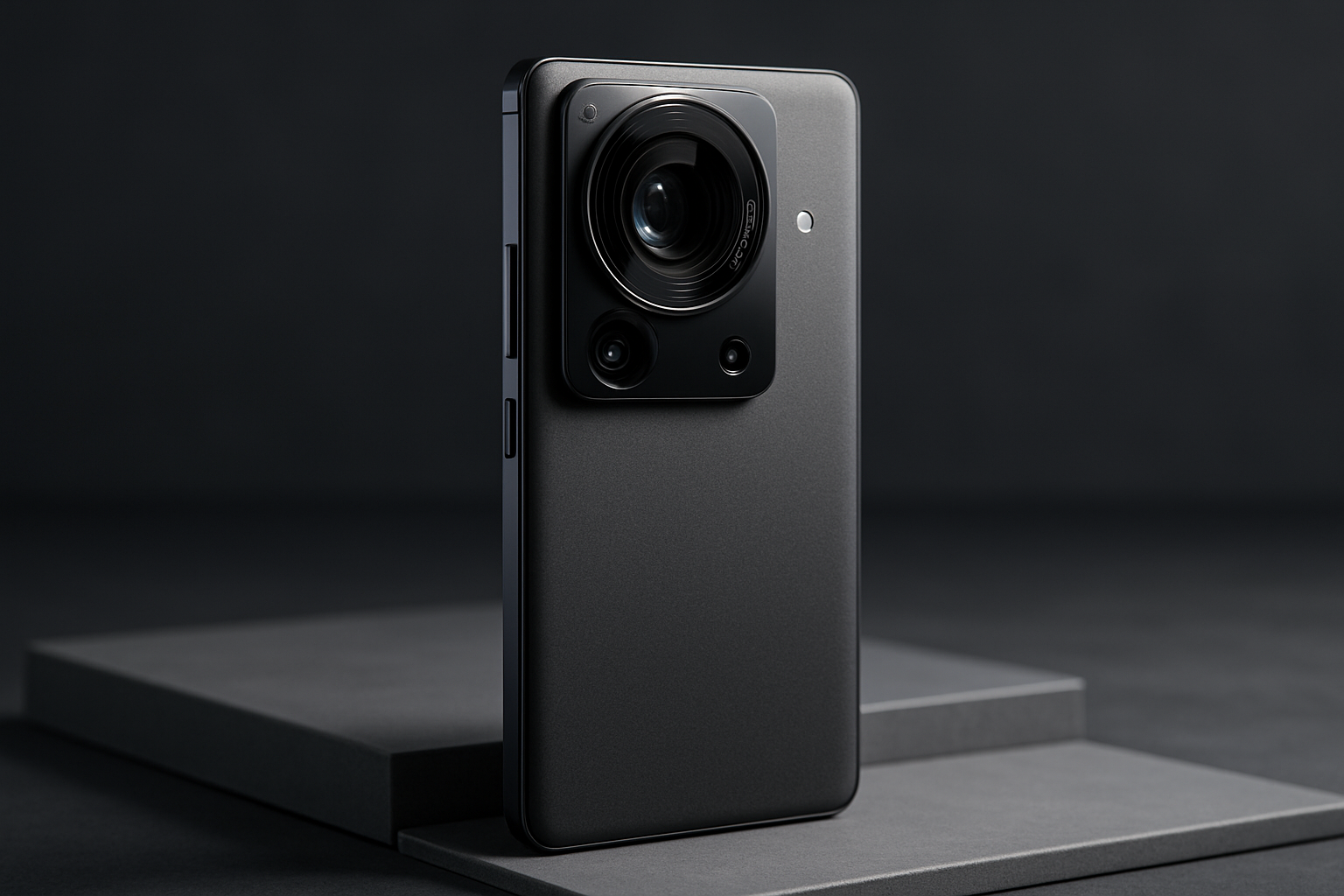
The Xiaomi 17 Ultra has arrived with revolutionary variable optical zoom camera technology and the most powerful Android processor available, marking a significant breakthrough in mobile photography amid an industry-wide crisis that has left major manufacturers struggling with marginal improvements and soaring costs.
Austrian technology reviewers at derStandard.at praised the Chinese manufacturer's ambitious approach, noting that Xiaomi and its German camera partner Leica are "fishing for photography enthusiasts with deep pockets" through advanced hardware capabilities that set new benchmarks for smartphone photography.
The launch comes at a critical moment for the smartphone industry. Samsung, Google, and other major manufacturers are experiencing what industry analysts describe as an "unprecedented crisis" characterized by minimal technological advances and rapidly rising production costs due to a global memory semiconductor shortage.
Variable Zoom Technology Breakthrough
The Xiaomi 17 Ultra's standout feature is its variable optical zoom camera system, a technological first that allows seamless zoom transitions without the traditional step-like changes found in conventional smartphone cameras. This innovation addresses a longstanding limitation in mobile photography where users were restricted to fixed zoom levels.
Portuguese technology outlet PÚBLICO examined whether the device represents "the best smartphone for photography," highlighting the integration of variable zoom with Xiaomi's most powerful processing capabilities. The combination promises to deliver professional-grade photographic control previously impossible on mobile devices.
The German-Chinese collaboration with Leica brings decades of optical expertise to smartphone design, building on the partnership's previous successes in computational photography and lens engineering. This relationship has consistently produced some of the most advanced camera systems in the mobile market.
Industry Context and Market Challenges
The Xiaomi 17 Ultra's launch occurs against a backdrop of severe industry challenges. According to recent market analysis, smartphone manufacturers face a global memory crisis with semiconductor prices increasing sixfold, affecting companies including Samsung, SK Hynix, and Micron. These supply constraints are expected to persist until 2027 when new fabrication facilities come online.
Consumer electronics costs have risen 20-30% over the past year, forcing manufacturers to balance innovation with affordability. The crisis has particularly impacted mid-range and budget smartphone segments, creating barriers for smaller manufacturers and limiting consumer choice.
Samsung's recent Galaxy S26 series launch demonstrated how established manufacturers are adapting through vertical integration advantages and revolutionary features like Privacy Display technology. However, the broader industry continues to struggle with delivering meaningful improvements that justify higher prices.
Processing Power and Performance
Beyond camera innovations, the Xiaomi 17 Ultra incorporates the most powerful processor available for Android devices, ensuring that advanced photography features operate smoothly without performance bottlenecks. This processing capability enables real-time computational photography, AI-enhanced image processing, and seamless variable zoom operation.
The integration of cutting-edge silicon with variable zoom optics represents a holistic approach to smartphone design, where hardware and software work in concert to deliver unprecedented user experiences. This philosophy aligns with industry trends toward AI-powered photography that transforms amateur snapshots into professional-quality images.
The device's processing capabilities also support extended AI functionality beyond photography, including real-time language processing, adaptive user interfaces, and sophisticated camera optimization that learns from user preferences and shooting conditions.
Market Positioning and Competition
The Xiaomi 17 Ultra enters a highly competitive premium smartphone market where differentiation increasingly depends on specialized features rather than incremental improvements. With pricing pressures affecting the entire industry, manufacturers must deliver compelling innovations that justify premium positioning.
Recent launches from competitors including the Samsung Galaxy S26 series with Privacy Display technology and Apple's anticipated iPhone 17 developments demonstrate how companies are pursuing distinct technological paths to maintain market relevance. Xiaomi's focus on photography excellence positions the brand as a specialist alternative to general-purpose flagships.
The German-Austrian reception suggests strong European market potential, particularly among photography enthusiasts who value technical excellence over brand prestige. This demographic represents a crucial growth opportunity for Chinese manufacturers seeking to establish premium market presence beyond their domestic markets.
Technology Integration and Future Implications
The variable zoom breakthrough reflects broader industry trends toward specialized smartphone capabilities that challenge traditional camera markets. As mobile photography increasingly replaces dedicated cameras for many users, smartphones with advanced optical capabilities gain strategic importance.
The collaboration between Chinese manufacturing expertise and German optical engineering demonstrates successful international partnerships that leverage complementary strengths. Such collaborations may become essential as the smartphone industry faces increasing technological complexity and development costs.
Industry observers note that innovations like variable zoom could influence competitors' development strategies, potentially triggering a new round of camera-focused competition that benefits consumers through improved mobile photography capabilities across multiple price segments.
Global Supply Chain Adaptation
Despite supply chain challenges affecting the broader industry, Xiaomi's ability to launch the 17 Ultra with cutting-edge components demonstrates successful adaptation strategies. The company's diverse supplier relationships and flexible manufacturing approaches provide resilience during semiconductor shortages.
The success of premium launches during supply constraints suggests that manufacturers focusing on high-value, low-volume products can navigate current challenges more effectively than those dependent on mass-market segments. This trend may reshape industry strategies toward specialized rather than universal devices.
European availability of advanced Chinese smartphones also reflects evolving international trade relationships and technology transfer, where innovation increasingly transcends national boundaries through collaborative development and strategic partnerships.
Looking Forward
The Xiaomi 17 Ultra represents both technological achievement and strategic positioning during a transformative period for the smartphone industry. Its variable zoom innovation could establish new standards for mobile photography while demonstrating that meaningful advances remain possible despite broader industry challenges.
As manufacturers navigate supply constraints and evolving consumer expectations, devices like the 17 Ultra suggest that specialization and technical excellence may provide sustainable competitive advantages over generic premium positioning.
The device's reception in European markets will provide crucial insights into consumer appetite for advanced photography features and willingness to embrace Chinese premium technology amid an increasingly complex global technology landscape.