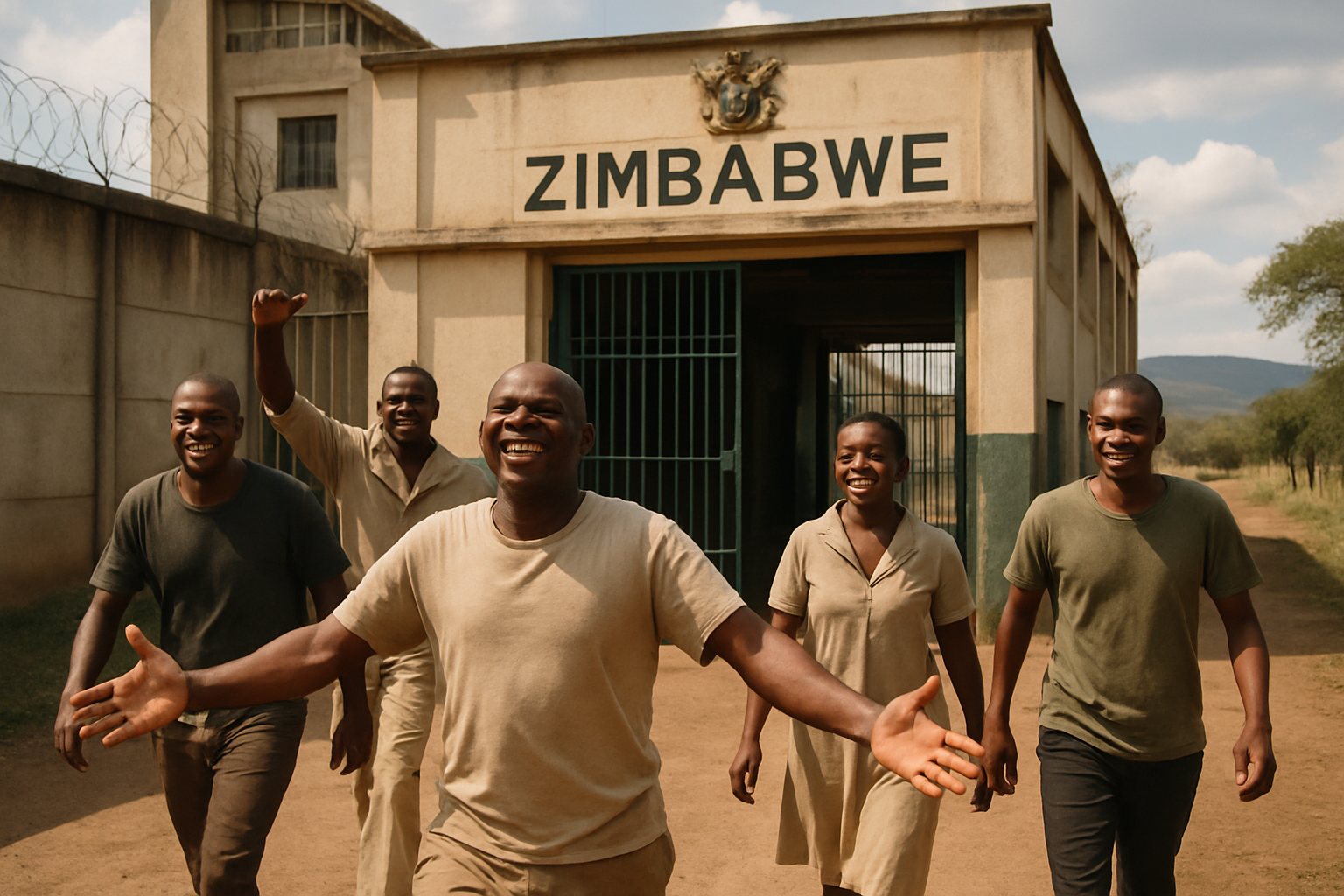
Zimbabwe has implemented one of the most comprehensive prisoner amnesty programs in its recent history, with President Emmerson Mnangagwa's Clemency Order No. 1 of 2026 granting freedom to 4,305 inmates as part of a broader initiative to promote restorative justice and address prison overcrowding.
The unprecedented clemency order, proclaimed by President Mnangagwa on March 2, 2026, represents a significant shift toward rehabilitative justice policies while simultaneously addressing the critical issue of prison congestion that has plagued Zimbabwe's correctional facilities for years.
Clemency Order Details and Scope
According to official government sources, the amnesty program aims to promote restorative justice principles while providing relief to Zimbabwe's overcrowded prison system. The clemency order specifically targets non-violent offenders and those serving sentences for minor infractions, though complete details of the eligibility criteria have not been fully disclosed by the Ministry of Justice.
The timing of this major clemency initiative comes amid broader constitutional and political developments in Zimbabwe, including ongoing debates over constitutional amendments that could extend President Mnangagwa's tenure until 2030. The prisoner releases may be seen as part of efforts to demonstrate governmental commitment to human rights and judicial reform.
International Context and Regional Parallels
Zimbabwe's clemency program follows a pattern of major prisoner amnesties across the region and internationally. Most notably, Venezuela has implemented the most comprehensive political prisoner amnesty in recent Latin American history, releasing over 750 detainees since January 2026 under Acting President Delcy Rodríguez's administration. The Venezuelan amnesty law covers a 27-year period from 1999-2026, representing the most ambitious institutional reconciliation effort in the region's modern history.
Similar amnesty initiatives have been implemented across multiple countries, reflecting a global trend toward addressing prison overcrowding and promoting transitional justice. These programs often serve dual purposes: providing humanitarian relief while demonstrating governmental commitment to human rights reform.
Simultaneous Diplomatic Crisis: Tehran Evacuation
In parallel developments highlighting Zimbabwe's active foreign policy engagement, the government has evacuated Zimbabwean nationals from Tehran, Iran, following deteriorating security conditions in the Middle East. The evacuation, conducted after a comprehensive security review, demonstrates Zimbabwe's commitment to protecting its citizens abroad amid escalating regional tensions.
The evacuation follows heightened tensions after recent United States actions in the region, prompting multiple countries to reassess the safety of their diplomatic missions and citizens in Iran. Zimbabwe's swift response reflects sophisticated crisis management capabilities and proactive diplomatic engagement.
Prison System Challenges and Reform Initiatives
Zimbabwe's prison system has long faced challenges related to overcrowding, inadequate resources, and aging infrastructure. The clemency order directly addresses these systemic issues by reducing the inmate population while creating space for more effective rehabilitation programs.
The concept of restorative justice, emphasized in the official announcement, represents a shift from purely punitive approaches toward rehabilitation-focused correctional policies. This philosophical change aligns with international best practices in prison management and criminal justice reform.
"This clemency order reflects our commitment to balancing justice with mercy, while addressing the practical challenges facing our correctional system."
— Government Official, Ministry of Justice
Constitutional and Political Implications
The amnesty program occurs against the backdrop of significant constitutional discussions in Zimbabwe. The recent Constitutional Amendment No. 3 Bill of 2026, which proposes extending presidential terms and altering electoral procedures, has generated considerable debate about democratic governance and institutional reform.
Opposition groups have criticized the lack of national referendum on constitutional changes, while the clemency order may serve to demonstrate the current administration's commitment to progressive policies. The timing suggests strategic coordination between various governmental initiatives aimed at shaping public perception.
Regional Diplomatic Engagement
Zimbabwe's active engagement in both domestic reforms and international crisis management reflects the country's evolving regional role. The Tehran evacuation demonstrates sophisticated diplomatic coordination capabilities, while the prisoner amnesty shows commitment to human rights advancement.
The dual initiatives highlight Zimbabwe's complex position in regional affairs, balancing domestic reform requirements with international responsibilities. This multi-faceted approach reflects mature governmental capacity to address simultaneous challenges across different policy domains.
Implementation Challenges and Monitoring
Successful implementation of the clemency program will require comprehensive coordination between correctional facilities, social services, and community organizations. Released inmates will need reintegration support, including housing assistance, employment opportunities, and social services to prevent recidivism.
The government has indicated commitment to monitoring the program's effectiveness, though specific metrics and oversight mechanisms have not been detailed. Civil society organizations and international observers will likely play crucial roles in assessing the amnesty's long-term impact on both individual rehabilitation and systemic prison reform.
International Observer Perspectives
International human rights organizations and diplomatic missions are monitoring both the clemency implementation and the Tehran evacuation response. The prisoner amnesty provides an opportunity for Zimbabwe to demonstrate progress on human rights commitments, while the evacuation showcases crisis management capabilities.
Regional organizations, including the African Union and SADC, are likely observing these developments as indicators of Zimbabwe's governance evolution and regional leadership capacity. Success in both initiatives could enhance Zimbabwe's international standing and regional diplomatic influence.
Looking Forward: Implications and Next Steps
The success of Zimbabwe's clemency program will depend on comprehensive follow-through, including adequate support services for released inmates and continued prison system reforms. The program's effectiveness will be measured not only by immediate humanitarian relief but also by long-term recidivism rates and systemic improvements.
Similarly, Zimbabwe's handling of the Tehran evacuation will influence future diplomatic relationships and crisis response capabilities. Both initiatives represent significant tests of governmental capacity to address complex domestic and international challenges simultaneously.
As Zimbabwe continues navigating constitutional reforms, economic development challenges, and regional diplomatic responsibilities, the amnesty program and evacuation response demonstrate the administration's multi-faceted approach to governance. The coming months will reveal whether these initiatives translate into sustained improvements in human rights, prison reform, and diplomatic effectiveness.